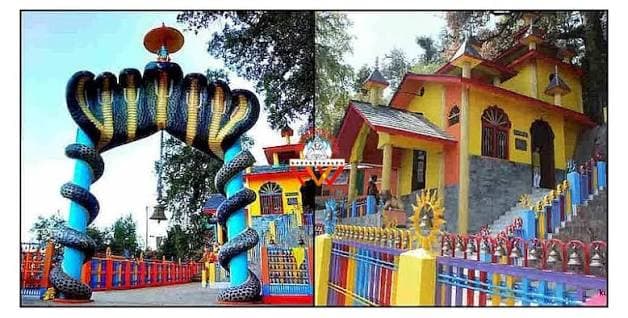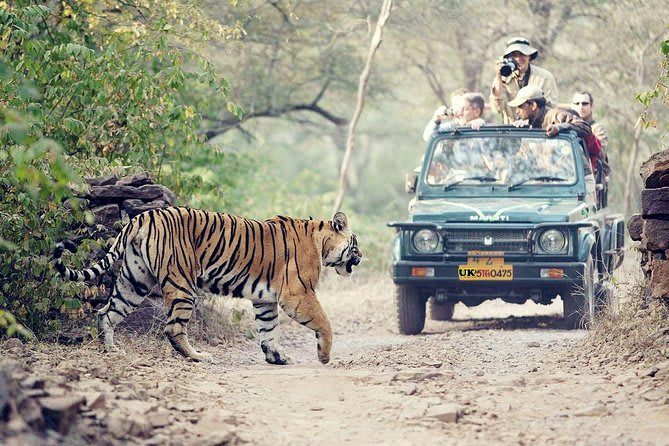
Uttarakhand — the "Land of Gods" — is one of India's most extraordinary travel destinations, where snow-capped Himalayan peaks tower above ancient temples, roaring rivers carve through lush forests, and alpine meadows burst into bloom every summer. Whether you're a devout pilgrim seeking the Char Dham, an adventurer craving white-water rapids, or a slow traveller looking to vanish into a quiet hill village, Uttarakhand has a version of itself waiting for you. This comprehensive guide covers everything you need to plan your perfect 2026 journey.
Why Uttarakhand in 2026?
Straddling the central Himalayas along India's northern border with China and Nepal, Uttarakhand is a state of extraordinary contrasts. Spanning roughly 53,483 sq km, it packs in everything from the sun-scorched valleys of the Inner Himalayas to dense subtropical forests in the Terai lowlands. Its elevation ranges from just 210 m in Haridwar's riverside ghats to over 7,817 m at Nanda Devi, India's second-highest peak.
In 2026, the state has invested significantly in sustainable tourism infrastructure — new trekking routes in the Kumaon hills have been formally documented, helicopter services to pilgrimage sites have expanded, and several eco-resorts near wildlife corridors have opened. Importantly, Uttarakhand's roads — long a subject of traveller dread — have seen substantial upgrades under the Char Dham Pariyojana highway widening project, cutting driving times across the state considerably.
The result is a destination that remains raw and spiritual and deeply beautiful, but is now meaningfully more accessible than it was even three years ago. If there was ever a good time to visit, 2026 is it.
Best Time to Visit Uttarakhand
Uttarakhand is a year-round destination, but the experience changes dramatically with the seasons. The "best" time depends entirely on what you're after.
| Season | Months | Highlights | Watch Out For |
|---|---|---|---|
| Spring | March – May | Blooming rhododendrons, mild weather, Char Dham opening, trekking | Busy around Char Dham opening; book well ahead |
| Summer | June – early July | Valley of Flowers blooms, best for hill stations like Mussoorie | Pre-monsoon heat in valleys; roads can get crowded |
| Monsoon | July – September | Lush green landscapes, fewer tourists, Valley of Flowers peak | Landslides, road closures, leeches on trails |
| Autumn | October – November | Clear skies, mountain views, trekking peaks, Diwali festivals | Accommodation books fast; cold at altitude |
| Winter | December – February | Snow sports at Auli, quiet towns, winter wildlife | Char Dham closed, high passes inaccessible, extreme cold |
👑 Overall Best Time: October–November for clear skies and trekking, or April–June for Char Dham pilgrimage and blossoming valleys. Monsoon (July–August) is underrated for solo travellers who want solitude and the Valley of Flowers experience.
Top Places to Visit in Uttarakhand
From roaring river towns to silent alpine meadows, these are the destinations that define an Uttarakhand journey.
1. Rishikesh — The Yoga & Adventure Capital
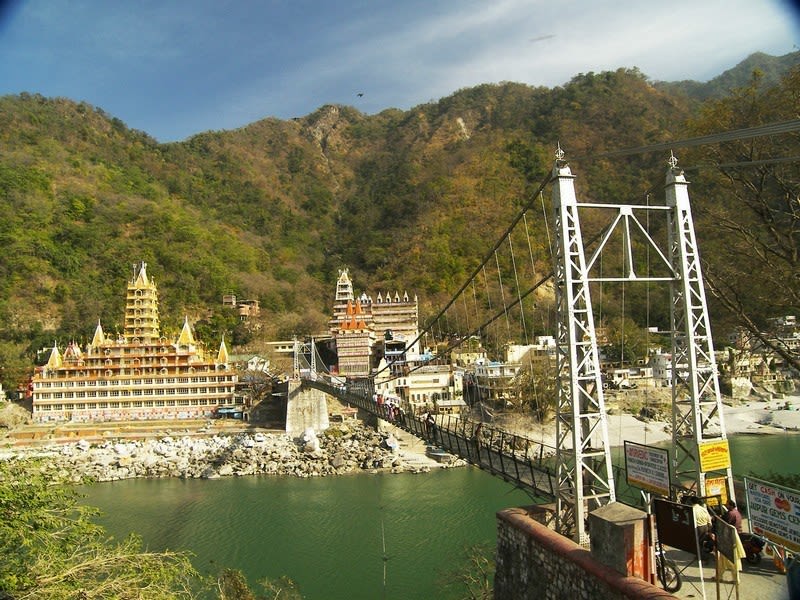
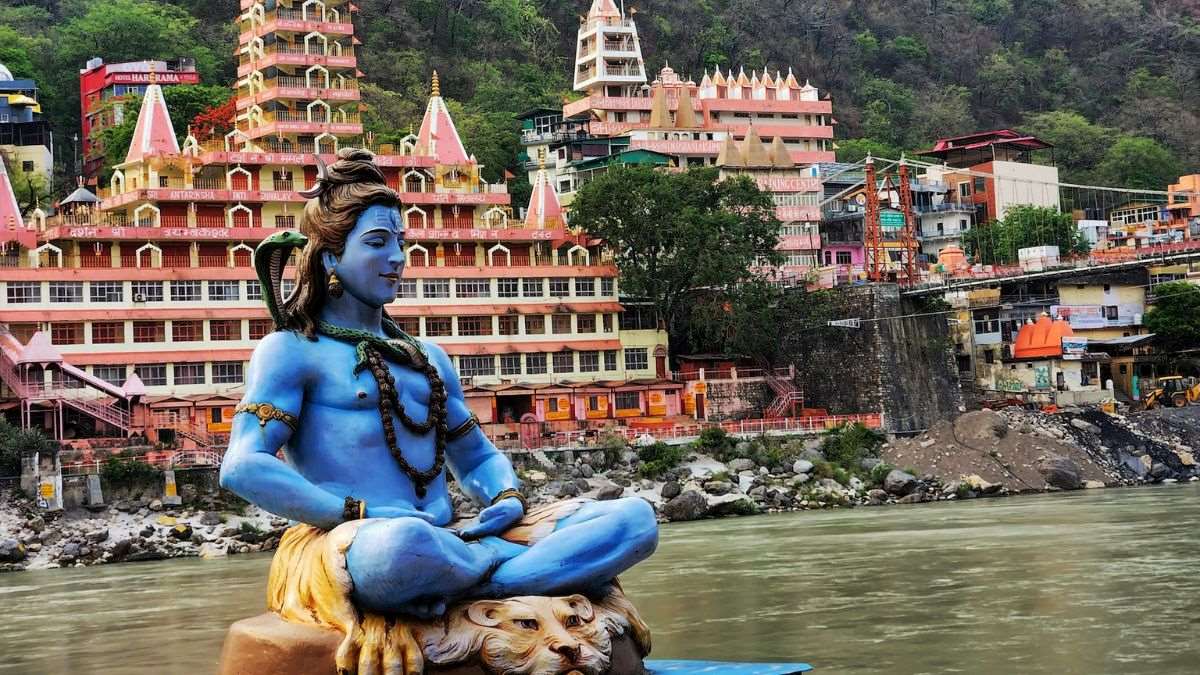
Rishikesh sits at the precise point where the Ganges leaves the Himalayas and enters the plains. It is simultaneously one of India's holiest cities and its white-water rafting capital.
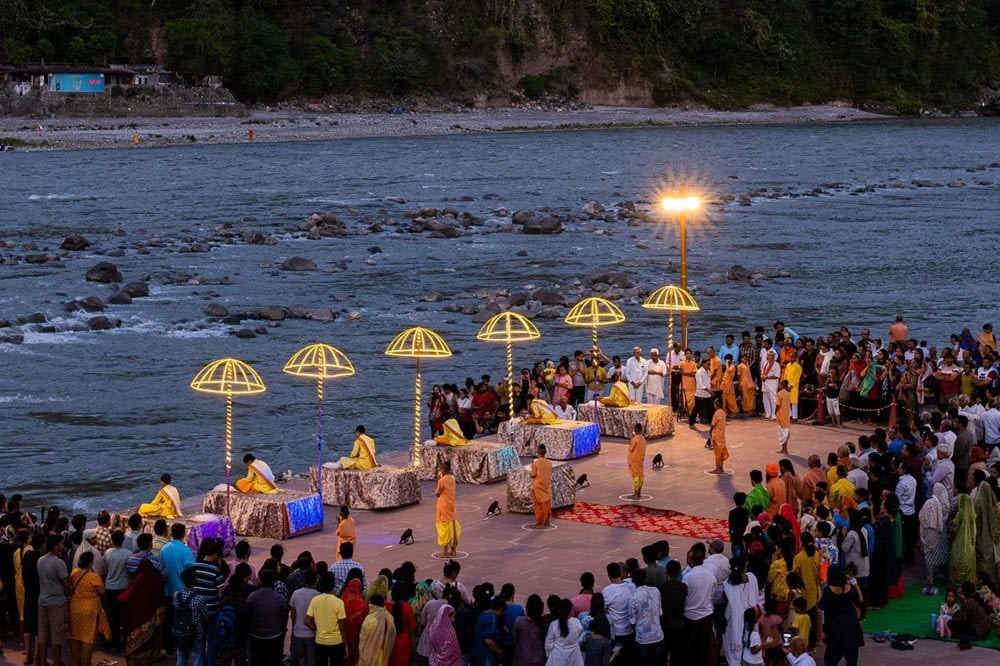
The main traveller hub is the Laxman Jhula area. Mornings begin with the clanging of temple bells; evenings end with the Ganga Aarti at Triveni Ghat, where priests swing fire to devotional chanting.
2. Haridwar — Gateway to the Gods
If Rishikesh is Uttarakhand's cosmopolitan spiritual hub, Haridwar is its ancient, beating religious heart. One of the seven sacred cities of Hinduism, it draws tens of millions of pilgrims each year who come to bathe in the Ganges at Har Ki Pauri.
3. Kedarnath — High Himalayan Shrine
At 3,583 metres above sea level, surrounded on three sides by snow-streaked peaks and fronted by the roaring Mandakini river, Kedarnath is one of the most dramatically sited temples on earth.
⚠️ Altitude Warning: Kedarnath sits above 3,500 m. Acclimatise before attempting the 16km trek. Descent is the only cure for altitude sickness.
4. Valley of Flowers
This 87.5 sq km UNESCO World Heritage Site transforms into an almost impossibly vivid tapestry of over 500 species of alpine wildflowers between mid-July and mid-August.
Sample 10-Day Itinerary
Delhi → Haridwar → Rishikesh
Arrive in Haridwar, experience the evening Ganga Aarti. Next day, drive to Rishikesh, walk the suspension bridges, and visit the Beatles Ashram.
Rishikesh → Chopta
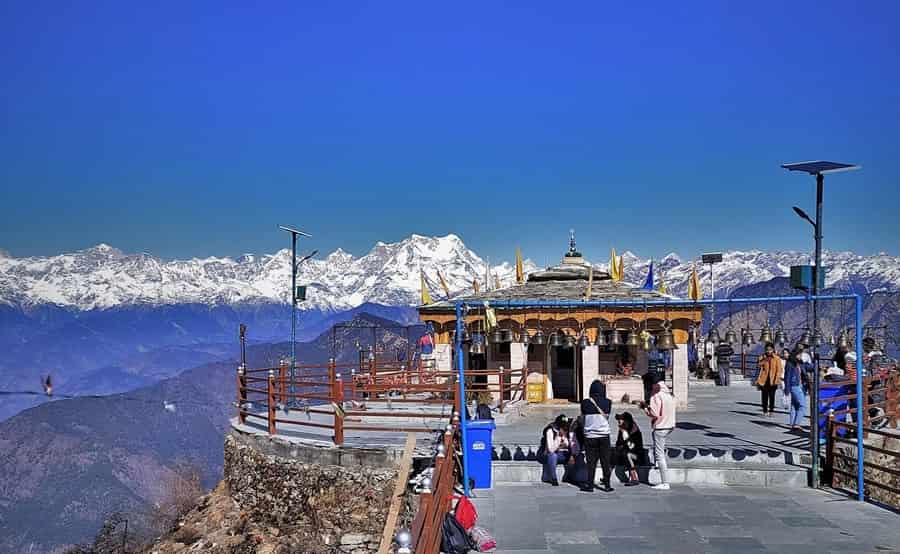
White-water rafting in Rishikesh, then a scenic drive to Chopta. Spend Day 5 trekking to Tungnath and Chandrashila.
Kedarnath Pilgrimage
Drive to Sonprayag, trek (or helicopter) to Kedarnath. Overnight at base camp. Morning puja before descending.
Nainital & Departure
Drive to Nainital. Enjoy boating on Naini Lake, explore surrounding quieter lakes like Sattal, and take the overnight train from Kathgodam back to Delhi.
Essential Travel Tips
Getting There
Fly/train to Dehradun (Garhwal) or Kathgodam (Kumaon). Hire private taxis for flexibility. Roads are much better now but mountain driving still takes time.
Health & Altitude
Acclimatise gradually above 2,500 m. Drink 3+ litres of water daily. Ensure travel insurance includes high-altitude evacuation cover.
Connectivity
BSNL has the best remote coverage. Expect no signal above 3,000 m. Download offline maps before leaving major towns.
Packing
Layering is key. Temperatures drop sharply at altitude even in summer. Bring waterproof trekking boots and modest clothing for temples.