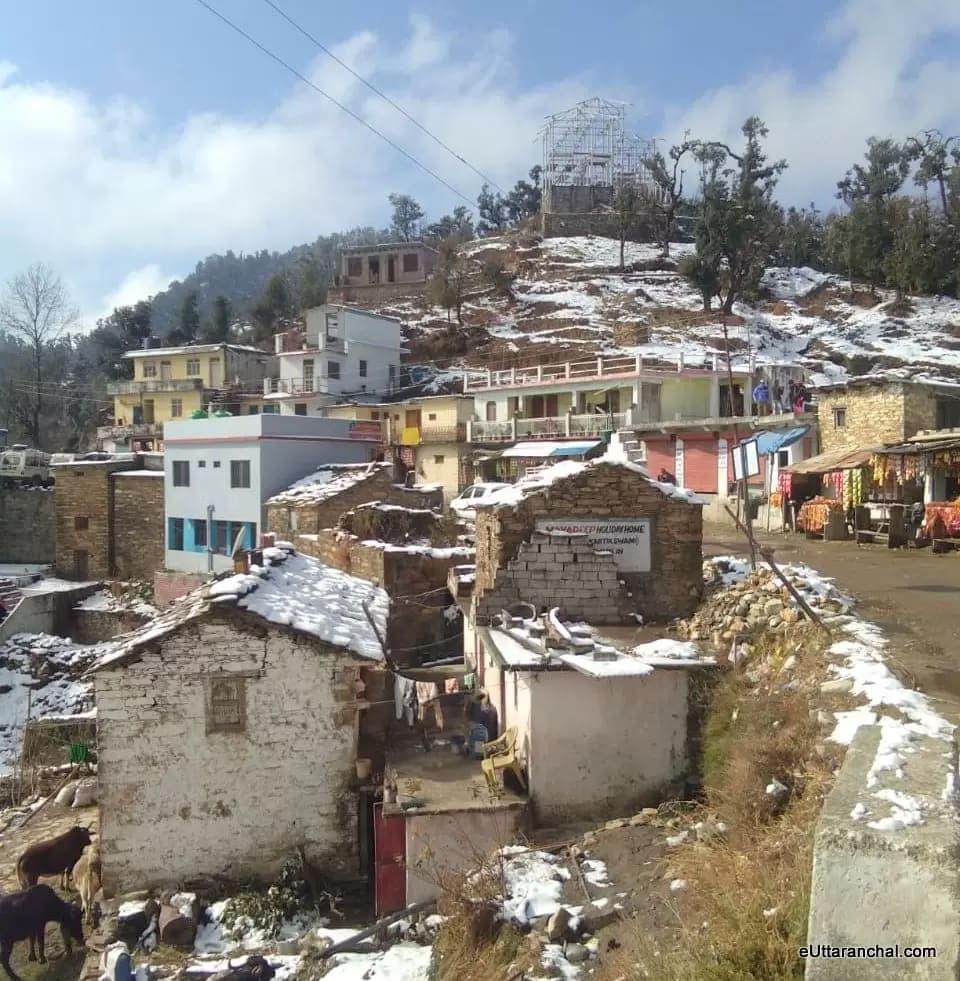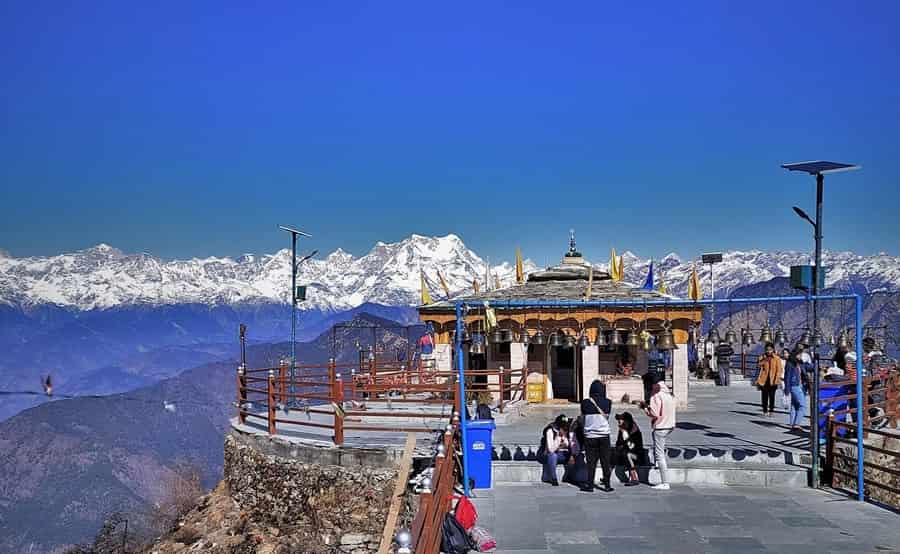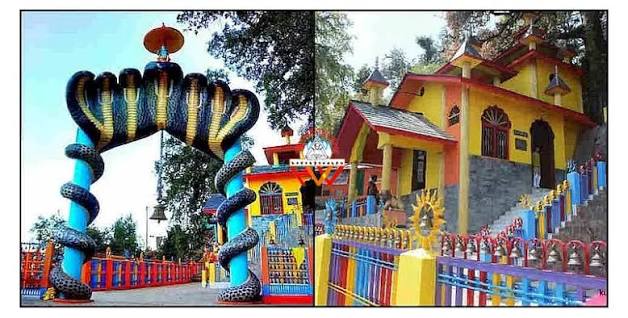
Sem Mukhem Nag Raja Temple is one of the most mysterious and deeply spiritual sanctuaries hidden in the Garhwal Himalayas. Situated at an elevation of 2,903 meters in the Pratapnagar tehsil of Tehri district, this ancient site is dedicated to Lord Krishna in his serpent king avatar (Nag Raja). Enveloped in dense sacred groves of oak and rhododendron, it remains largely untouched by commercial tourism, making it a peaceful refuge for spiritual seekers and nature adventurers alike.
1. The Legend of Uttar Dwarka & King Gangu Ramola
Local folklore attributes immense mystical energy to this mountaintop. According to legend, after Dwarka sank into the ocean at the end of the Dwapara Yuga, Lord Krishna traveled to these serene hills in the form of Nag Raja to find a meditative retreat.
The land was initially controlled by Gangu Ramola, a powerful local chieftain who stubbornly refused to acknowledge the deity’s divine sovereignty. After experiencing profound cosmic interventions, Gangu Ramola repented and constructed a beautiful temple for the deity. Today, tradition dictates that pilgrims must pay homage to the statue of King Gangu Ramola located just outside the sanctum before entering to pray to the ancient self-manifested stone slab (Swayambhu Shila) inside.
2. The Journey: Trekking Through the Sacred Groves
The motorable road ends near **Khamba Khal** or the historic priests' village of **Mukhem**. From there, you embark on a moderately challenging 2.5 to 3-kilometer uphill hike to the temple summit. The entire trail cuts through a pristine ecosystem protected as a sacred grove by local villagers for centuries.
As you ascend, keep your eyes open for unique milestones along the track. One of the most famous is **Dugdugi Sem**, a massive boulder sitting precariously on the slope. Locals demonstrate that while the stone refuses to budget under brute human force, it visibly sways when tapped lightly with just a single little finger—a phenomenon long tied to the divine play of Nag Raja.
⚠️ Trekking Safety 2026: The trail contains a series of steep stone steps that can become extremely slick during early morning dew or winter snowfall. Sturdy trekking boots are mandatory. Avoid relying entirely on local pack mules as the steep vertical steps pose footing challenges.
3. Travel Logistics: Reaching the Base
Reaching Sem Mukhem from the foothill hubs involves a scenic drive past the sweeping blue landscapes of Tehri Lake and the landmark **Dobra Chanti Bridge** (India's longest motorable single-lane suspension bridge).
By Road from Rishikesh
The temple is roughly **130 km from Rishikesh**. The ideal route spans through Chamba, across the lake views via Pratapnagar, leading straight to Khamba Khal base. It typically takes 4.5 to 6 hours depending on road breaks.
Air & Rail Connectivity
The nearest transit gateways are the **Jolly Grant Airport in Dehradun** (~140 km) and the **Yog Nagari Rishikesh Railway Station** (~131 km). Private or shared mountain jeeps can easily be booked from both transport terminals directly to Tehri and Mukhem.
Sem Mukhem Travel Parameters
| Season | Weather & Visual Highlights | Trek Difficulty |
|---|---|---|
| March to June | Pleasant (20°C - 30°C), Blooming Rhododendrons, Clear Peaks | Easy to Moderate |
| September to Nov | Post-monsoon clarity, crisp air, intense Himalayan visibility | Moderate & Crisp |
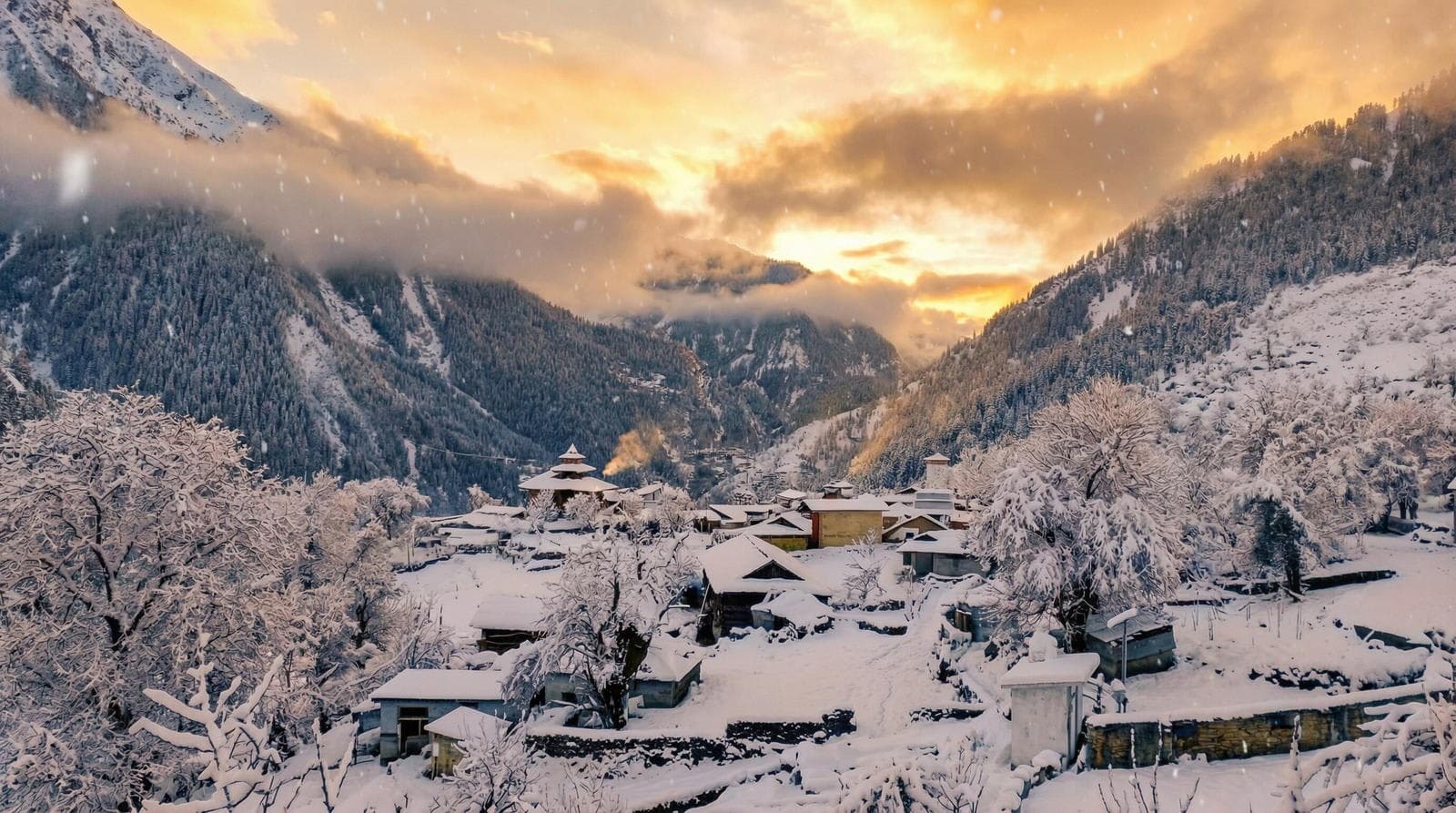
| Dec to February | Heavy winter snowfall events, frozen trails, complete isolation | Challenging (Snow Slippery) |